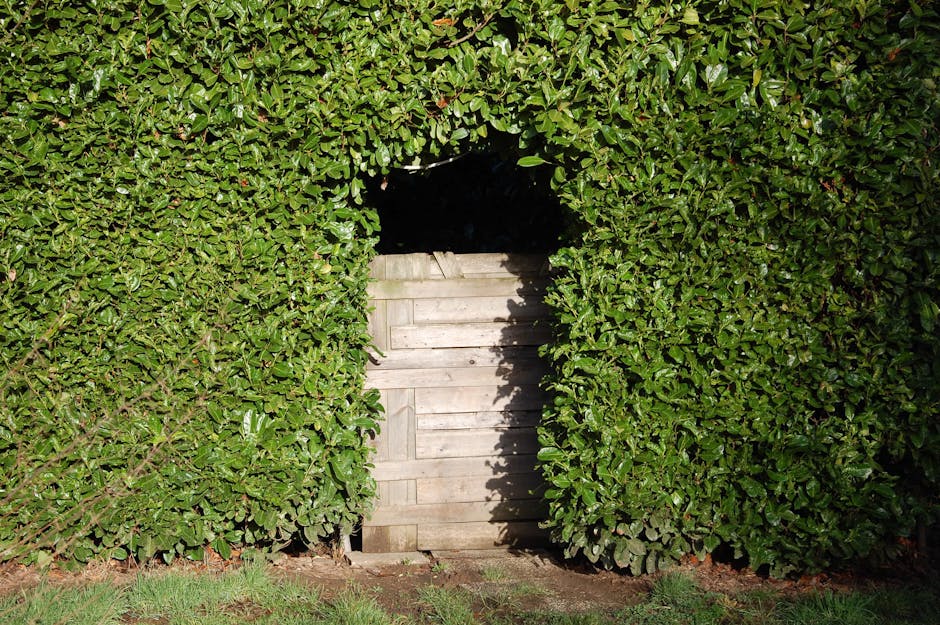
Palmers Green same day gardeners for emergency hedge work

If a hedge has suddenly collapsed into a path, blocked a driveway, or started leaning after wind and rain, you do not have time for vague promises. You need Palmers Green same day gardeners for emergency hedge work who can turn up quickly, assess the situation properly, and make the area safe without fuss. That might mean a tidy cut-back, a full reduction, bracing away overgrowth from a gate, or clearing storm damage before it causes a bigger problem.
In Palmers Green, where front gardens, boundary hedges, shared access routes, and tight residential roads all create their own little complications, emergency hedge work is often about more than appearance. It is about access, safety, and peace of mind. This guide explains what same day emergency hedge service actually involves, how it works, what to expect, and how to decide whether a quick trim is enough or whether you need something more substantial.
Practical summary: if the hedge is dangerous, obstructive, or at risk of causing further damage, act early. The right emergency gardener can stabilise the situation fast, then help you plan the proper follow-up work afterwards. That is usually the best outcome, to be fair.
Why Palmers Green same day gardeners for emergency hedge work Matters
Emergency hedge work matters because hedges can fail fast. One heavy gust, a period of driving rain, a neglected growth burst, or an awkward cut from earlier in the year can leave a hedge unstable and messy in a matter of hours. Once that happens, the issue stops being purely horticultural. It becomes practical and sometimes safety-related.
A hedge leaning across a pavement can cause a trip hazard. One spilling into a driveway can stop a car from leaving. Thick, broken branches can scratch vehicles, catch on clothing, or block sight lines near a junction. And if a hedge sits on a boundary, the situation can become tense very quickly if it starts affecting a neighbour's access or property. Nobody wants that awkward knock on the door on a wet Tuesday evening.
There is also the basic garden-care side of it. A damaged hedge left unattended often gets worse. Torn stems dry out, split further, and become harder to reshape later. A quick same day response can often save more of the hedge than a delayed visit. In some cases, that means the difference between a manageable restoration and a complete replacement job.
For local homeowners, landlords, and property managers, speed also reduces disruption. A front hedge that is causing a visual mess or obstructing entry can make the entire property feel out of control. Fast action helps restore order, which sounds simple, but you feel it straight away when the garden is front-and-centre to daily life.
How Palmers Green same day gardeners for emergency hedge work Works
Same day emergency hedge work usually follows a simple but careful process. It should never be rushed in the reckless sense. Quick, yes. Careless, no.
1. You explain the problem clearly. The gardener needs to know what has happened, where the hedge is located, whether it is touching power lines, blocking access, or lying over a wall, and whether there is any immediate danger. Photos help a lot. A few phone pictures taken in daylight can save time and prevent confusion.
2. A quick assessment is made. The priority is to understand whether the hedge needs light trimming, partial recovery work, branch removal, or a more significant cut back. The gardener also checks how much waste will be produced, what tools are needed, and whether access is straightforward.
3. The safe work zone is set up. Good emergency garden work starts with making the area safe. That might mean asking you to keep pets and children indoors, moving cars, clearing a side gate, or keeping bystanders away from falling material. It sounds obvious, but in a rush people forget. Happens all the time.
4. The hedge is cut, reduced, or cleared. The exact method depends on the situation. If the hedge is splayed out but recoverable, it may be reshaped. If branches are split or hanging loose, they may be removed cleanly. If access is blocked, the first objective may be to restore a safe route before doing anything cosmetic.
5. Waste is gathered and the site is left tidy. Emergency work often creates more debris than planned maintenance. Good practice is to remove cuttings, stack larger material safely, and leave paths usable. If there is a lot of hedge waste, a follow-up clearance may be sensible, which is where garden clearance support can be useful.
6. The next-step plan is explained. Many hedges benefit from a second visit once the emergency is over. That may be a shaping session, a recovery trim, or a more routine maintenance schedule through ongoing garden maintenance or regular hedge trimming.
Key Benefits and Practical Advantages
There are several good reasons to choose a same day response for hedge problems, and not all of them are dramatic. Sometimes the biggest benefit is simply getting your day back.
- Fast restoration of access for driveways, entrances, side passages, and shared paths.
- Reduced safety risk if branches are hanging low or blocking visibility.
- Less damage to fences, walls, paving, vehicles, and neighbouring planting.
- Cleaner presentation when the hedge is the first thing people see from the street.
- Lower stress because you are not stuck wondering whether the issue will get worse overnight.
- Better hedge recovery when damaged growth is dealt with promptly and correctly.
One thing people often underestimate is timing. If the hedge is already wet, weighed down, or partially broken, waiting until the weekend can make the work more complicated. Fresh damage is usually easier to manage than dry, brittle damage. That is just the reality of plant material.
There is also a confidence factor. When a local gardener responds the same day, you are not left guessing whether a dangerous branch will fall before anyone arrives. That reassurance matters, especially for older homeowners or busy families who simply need the situation handled without a song and dance about it.
Who This Is For and When It Makes Sense
Same day emergency hedge work is not only for severe storm damage. It is for anyone whose hedge has become a practical problem right now.
This service makes sense if you are:
- a homeowner dealing with storm-blown or overgrown hedging;
- a landlord needing a quick fix before check-in, inspection, or tenant access;
- a property manager trying to keep common areas safe and passable;
- a business owner with hedges affecting visibility, signage, or customer entry;
- a neighbour trying to resolve an urgent boundary issue before it escalates;
- someone with limited time who needs the issue handled properly, today.
It may also be the right call if a hedge has been neglected for a long time and is suddenly tipping into a more visible problem. A hedge does not need to be literally collapsing to justify urgent attention. If it is blocking light, forcing pedestrians into the road, or interfering with gates and locks, that is a good enough reason.
Truth be told, many "emergencies" are not disasters. They are just jobs that have crossed the line from inconvenient to urgent. And that line can move fast once wind, rain, and a bit of bad luck get involved.
Step-by-Step Guidance
If you think you need emergency hedge help, the simplest approach is the best. Here is a practical order to follow.
- Check for immediate danger. If branches are falling, the hedge is touching electrical equipment, or the area is unsafe to approach, keep clear and wait for a professional assessment.
- Take a few photos. Capture the hedge from a distance and close up. Include access points, driveways, and any damage to fencing or paving.
- Describe the problem clearly. Say what changed, when it changed, and what the main risk is. "Leaning into the drive after last night's wind" is more useful than "the hedge looks bad."
- Clear access if you can do so safely. Move cars, bins, plant pots, or anything else that might slow the job.
- Ask what the visit will prioritise. A good emergency response will focus on safety and access first, and appearance second.
- Confirm waste handling. Hedge work can create a surprising amount of green waste, especially after a reduction or reshaping.
- Plan the follow-up. Once the urgent issue is solved, decide whether the hedge needs a full tidy-up or a maintenance visit later in the week.
A small but important note: if the hedge is part of a boundary line, try to stay calm and document what has happened before making assumptions about responsibility. That can save a lot of friction later.
Expert Tips for Better Results
When the work is urgent, it is tempting to focus only on speed. But the best results come from speed paired with a bit of judgement.
Go for safety first, shape second. If a hedge has broken stems or a section has lifted, removing the hazard is more important than getting the top perfectly level on the first pass.
Ask for a realistic outcome. Some hedges can be restored neatly in one visit. Others need a staged approach. A good gardener should tell you plainly which is which.
Be careful with over-cutting. In an emergency, it is easy to remove too much. A hedge cut back aggressively in the wrong season can look neat for a week and then struggle for months. Not ideal.
Keep the base clear. You will often get a better finish if the lower portion of the hedge is accessible before work begins. Brambles, old pots, and forgotten toys always seem to appear at the worst possible moment.
Match the solution to the hedge type. A dense evergreen hedge, a mixed boundary hedge, and a younger ornamental hedge all behave differently. They do not all enjoy the same treatment, even if people sometimes wish they did.
Think beyond the day of the visit. Once the urgent work is done, a maintenance plan can prevent the same issue recurring. A follow-on booking for routine garden maintenance or planned hedge trimming often saves time later.
One last thing: if the hedge is visibly stressed, do not insist on a "perfect" finish right then and there. Sometimes restrained, careful work is the most professional option. A slightly uneven hedge for a week is better than a damaged hedge for a year.
Common Mistakes to Avoid
Emergency hedge work can go wrong in boring, avoidable ways. That is usually where the headaches start.
- Waiting too long. The hedge gets heavier, wetter, and harder to control.
- Trying to do dangerous cuts yourself. Ladders, wet branches, and power tools are not a great mix when you are already under pressure.
- Ignoring the root cause. If the hedge failed because of rot, poor previous pruning, or storm exposure, the underlying issue should be addressed.
- Forgetting access. A gardener can be delayed by a locked side gate or blocked driveway. Small things, big delay.
- Over-pruning. Emergency work should solve a problem, not create a new one by stressing the hedge too hard.
- Not discussing waste removal. Cuttings left piled against fences or damp walls can be a nuisance and, frankly, an eyesore.
Another common slip is assuming all hedge problems need the same fix. They do not. A wind-battered top can sometimes be straightened, while a split side may need sectional removal. That distinction matters more than people think.
Tools, Resources and Recommendations
You do not need to be a gardener to prepare well for emergency hedge work, but a little practical thinking helps a lot.
A professional same day gardener will usually arrive with tools suited to the scale of the job. Depending on the hedge, that may include hand tools for fine shaping, cutting equipment for thicker stems, safety gear, waste bags or tarps, and equipment for clearing debris efficiently. The exact kit varies, naturally, but the principle is the same: use the right tool for the hedge, not the nearest one.
From your side, the most useful "resources" are simple:
- clear photos of the issue;
- good access to the work area;
- a short written note of what happened and when;
- details of any nearby hazards, such as unstable fencing or broken edging;
- a plan for where cuttings can be stacked temporarily if needed.
If the work is part of a wider garden reset, it can also help to think about adjacent tasks. For example, an emergency hedge visit may reveal that the surrounding border needs a tidy-up, a lawn refresh, or a larger outdoor improvement plan. In that case, services like lawn mowing, garden clearance, or even landscaping support may be worth discussing after the urgent work is complete.
If you are comparing providers, it is also sensible to look at how they handle quotes, payment, and site safety. You can review pricing and quotes, payment and security, and insurance and safety information before booking. That sort of due diligence is not glamorous, but it is sensible.
Law, Compliance, Standards, or Best Practice
For hedge work in London, the practical reality is that safety and neighbour awareness matter as much as the cut itself. If a hedge sits on or near a boundary, it is best to avoid making assumptions about ownership, access rights, or responsibility. A calm conversation is usually better than a hurried trim, especially where shared access or fence lines are involved.
There may also be local considerations around footpaths, driveways, visibility splays, and keeping entrances clear. The exact rules can vary by location and situation, so it is sensible to treat urgent hedge work as a safety-first job rather than just a cosmetic one. If a hedge is obstructing a public route or seems likely to cause a hazard, prompt action is generally the right approach.
Best practice in emergency gardening usually includes:
- working from a clear risk assessment of the hedge and surrounding area;
- keeping non-workers away from falling or unstable material;
- using appropriate equipment for the height, thickness, and condition of growth;
- avoiding unnecessary stress to living plant material;
- removing debris safely rather than leaving loose cuttings in place;
- checking for hidden issues such as rot, storm splits, or unstable posts.
If you want a good standard to aim for, think simple: safe access restored, hazard removed, tidy finish, and honest advice about what the hedge needs next. That is the kind of outcome worth paying for.
Options, Methods, or Comparison Table
Not every urgent hedge job needs the same treatment. Here is a simple comparison that may help you decide what you are actually asking for.
| Method | Best for | Typical outcome | Watch out for |
|---|---|---|---|
| Light emergency trim | Minor overgrowth, broken tips, small access issues | Quickly restores shape and clearance | Can be insufficient if the hedge has collapsed or split |
| Sectional reduction | One side or top is leaning, heavy, or obstructive | Reduces bulk and makes the hedge safer | Needs judgement to avoid over-cutting |
| Damage removal | Storm-broken or hanging branches | Removes hazards and stabilises the situation | May leave an uneven appearance until follow-up work |
| Full clearance or reset | Severe neglect, collapsed growth, blocked access | Clears the problem space and enables replanting or rebuilding | More disruptive and often needs a second-stage plan |
In practice, a good emergency gardener will often start with the smallest intervention that solves the urgent issue. That is usually the smartest route. More work can always be done later; undone damage is harder to fix.
Case Study or Real-World Example
Here is a realistic example. A homeowner in Palmers Green notices, first thing in the morning after a windy night, that a mature front hedge has sagged over the pavement and partly into the driveway. The leaves are wet, the branches are heavy, and the gate barely opens. The bin lorry is due later that day, which adds a bit of pressure.
Instead of trying to wrestle it back into place, they contact a local gardener for a same day visit. The gardener arrives, assesses the hedge, and spots that one side has shifted because of weight and soft growth rather than a total collapse. The first job is to remove the worst of the obstruction, lift the heaviest material away from the path, and create enough clearance for safe access.
Once the immediate issue is handled, the gardener clears the cuttings, checks the hedge line, and explains that a follow-up trim in a couple of weeks would help restore a better shape. Nothing dramatic. No grand speeches. Just a sensible fix that stops the problem from spiralling into a bigger one.
That is often how these jobs go. A quick, calm response; a tidy practical result; then a proper plan for the next stage. Simple, really, though not always easy if you are the person stuck beside the hedge with a blocked gate and a cup of cold tea.
Practical Checklist
Use this checklist before and during a same day hedge visit.
- Identify whether the hedge is dangerous, obstructive, or both.
- Take clear photos of the problem from a few angles.
- Make sure the gardener knows if the hedge is near a wall, fence, car, or public path.
- Move vehicles and loose items if it is safe to do so.
- Keep children and pets out of the work area.
- Ask whether the priority is safety, access, or appearance.
- Confirm what happens to hedge cuttings and larger branches.
- Check whether a follow-up visit may be needed.
- Ask for advice if the hedge looks diseased, split, or unstable.
- Keep the final result realistic. Clean and safe is better than perfect and rushed.
Expert takeaway: the best emergency hedge work is rarely the biggest cut. It is the one that restores safety, protects the plant where possible, and leaves you with a clear next step.
If the hedge issue is part of a bigger garden problem, it may also be worth looking at the wider service range through services overview or learning more about the team behind the work via about us.
Get a free quote today and see how much you can save.
Conclusion
When a hedge suddenly becomes a problem, speed matters, but judgement matters more. Palmers Green same day gardeners for emergency hedge work are there to get the situation under control before it turns into a safety issue, an access issue, or a neighbourly headache. The best outcome is a hedge that is safe, tidy enough to live with, and properly set up for follow-up care.
If you are facing a blocked drive, a storm-damaged boundary, or a hedge that simply cannot wait until next week, do the sensible thing and act early. A quick response now can save damage, stress, and a lot of awkward faffing about later. And sometimes, honestly, that is the difference between a bad day and a manageable one.
Good gardens recover. Good decisions help them recover faster.
Frequently Asked Questions
What counts as emergency hedge work?
Emergency hedge work usually means the hedge is causing a safety problem, blocking access, or has been damaged in a way that needs prompt attention. Storm damage, fallen sections, and hedges obstructing driveways or paths are common examples.
Can same day gardeners deal with a hedge after strong wind?
Yes, if access is safe and the issue can be assessed quickly. Wind damage often needs immediate cutting back, removal of loose material, and a check for hidden splits or unstable growth.
Will the gardener cut the hedge back hard on the same day?
Not always. A responsible gardener will usually begin with the minimum work needed to make the area safe and accessible. Hard cutting may be left for a later visit if it would stress the hedge too much.
How quickly can emergency hedge work usually be done?
Same day work depends on schedule, location, access, and the size of the problem. Some jobs can be handled within hours; others need a short assessment first and then a later slot the same day.
What should I do before the gardener arrives?
Take photos, clear access if you can do so safely, move cars, and keep children and pets away from the work zone. If the hedge is near an obvious hazard, stay clear and let the professional assess it.
Do I need to be home for same day hedge work?
Usually, yes. It is helpful to show the gardener the problem area, confirm access, and discuss what should happen with waste. If arrangements are different, agree them clearly in advance.
Can emergency hedge work include waste removal?
It often does. Hedge cutting can create a lot of green waste, especially after a reduction or storm-damage clear-up. It is sensible to confirm this before the work begins.
What if the hedge is touching a fence or wall?
The gardener will normally inspect the hedge and the surrounding structure carefully. If the fence or wall is unstable, that may affect how the hedge is cut and how much can safely be done in one visit.
Is emergency hedge work suitable for overgrown hedges too?
Yes, if the overgrowth is creating an urgent problem, such as blocked access, reduced visibility, or conflict with neighbours. Very overgrown hedges may need a staged approach rather than one dramatic cut.
How do I know if I need hedge trimming or full garden clearance?
If the issue is mainly the hedge line, trimming or reduction is often enough. If the area is tangled, littered with waste, or badly neglected around the hedge as well, garden clearance may be the better starting point.
Will emergency hedge work damage the hedge permanently?
Not if it is done carefully. There is always some risk when a hedge is already damaged or very overgrown, but a measured response usually protects more of the plant than leaving it unattended.
What is the best next step after the emergency visit?
Once the immediate hazard is removed, arrange a follow-up trim or maintenance plan if needed. That helps the hedge recover properly and reduces the chance of another emergency later on.