Enfield Council Garden Waste Rules Palmers Green Gardeners: A Practical Guide for Local Homes and Gardens
If you garden in Palmers Green, the rules around garden waste can feel simple right up until the bin is full, the hedge cuttings are piling up, and collection day is suddenly tomorrow. That is usually when the questions start: what can go in the garden bin, what should be kept out, and what happens if you have more waste than the council will take? This guide on Enfield Council garden waste rules Palmers Green gardeners explains the practical side in plain English, with local, real-world advice that helps you stay tidy, avoid rejected waste, and make better decisions about clearance and maintenance.
We will look at how the system generally works, why it matters, common mistakes, and what to do when you have more green waste than a normal weekly routine can handle. You will also find a checklist, a comparison table, and a few sensible next steps if your garden needs regular attention.
Expert summary: The easiest way to stay on the right side of council garden waste rules is to separate organic garden material from general rubbish, keep contaminated items out of the waste stream, and plan for seasonal surges rather than waiting until the pile becomes unmanageable.
Table of Contents
- Why Enfield Council garden waste rules Palmers Green gardeners Matters
- How Enfield Council garden waste rules Palmers Green gardeners Works
- Key Benefits and Practical Advantages
- Who This Is For and When It Makes Sense
- Step-by-Step Guidance
- Expert Tips for Better Results
- Common Mistakes to Avoid
- Tools, Resources and Recommendations
- Law, Compliance, Standards, or Best Practice
- Options, Methods, or Comparison Table
- Case Study or Real-World Example
- Practical Checklist
- Conclusion
- Frequently Asked Questions
Why Enfield Council garden waste rules Palmers Green gardeners Matters
For many Palmers Green households, the garden is not just a patch of green. It is a place that gets trimmed, swept, pruned, and tidied at different speeds all year round. In spring, there is a burst of growth. In summer, grass clippings appear fast. In autumn, leaves have a habit of arriving overnight, usually on a damp Tuesday when you were hoping for an easy job. And in winter, even modest pruning can leave you with more material than you expected.
That is why council garden waste rules matter so much. They affect how you store waste, what you can place out for collection, and whether your waste is accepted first time or left behind. If you are not clear on the basics, the result can be a mess on the pavement, extra handling in the rain, and a frustrating delay. Nobody wants that.
There is also a broader reason. Garden waste is only "simple" if it stays clean, separated, and manageable. The moment it gets mixed with soil, plastic ties, old compost bags, broken pots, or general household rubbish, it becomes harder to handle and more likely to be rejected. That is bad for your schedule and not great for the environment either.
For local gardeners, this sits neatly alongside wider maintenance work. Regular hedge cutting, mowing, and garden clearance all create green waste. If you are already arranging garden maintenance or lawn mowing, it makes sense to think about waste removal at the same time. A tidy finish is usually the difference between a garden that feels looked after and one that feels half done.
Key point: Garden waste rules are not just admin. They shape how quickly your garden can be cleared, how cleanly the waste can be handled, and whether the job finishes smoothly or turns into a second round of work.
How Enfield Council garden waste rules Palmers Green gardeners Works
Garden waste collection systems in London generally follow a simple logic: organic garden material is collected separately from general waste so it can be processed more appropriately. In practice, that means the council expects the right kind of material in the right container, without contamination from non-garden items.
While you should always check the latest council guidance before putting anything out, the practical pattern is usually the same. Clean, natural garden material is fine. Mixed rubbish is not. Heavy soil, rubble, and household refuse usually do not belong in a garden waste collection. And oversized branches, thorny prunings, or large clearance loads may need a different solution altogether.
For Palmers Green gardeners, this often becomes a question of volume as much as material type. A small front garden may produce a light bag of cuttings, while a larger back garden after a big prune can create several bulky loads. That is where planning matters. If you are undertaking a one-off tidy or a more involved project, a service such as garden clearance may be more practical than relying on a standard bin alone.
It also helps to separate waste as you work. If you wait until the end, everything tends to get mixed together: twine, leaves, weeds, stems, the odd bit of old netting, and a fork that somehow ends up in the pile. Happens more often than people admit. Sorting as you go saves time and keeps you much closer to the rules.
In plain terms, the system works best when you treat garden waste like a separate stream, not a catch-all dumping ground. Keep it organic, keep it clean, keep it manageable. That simple habit saves a lot of hassle.
Key Benefits and Practical Advantages
Following the garden waste rules properly is not just about compliance. It makes the whole gardening routine easier.
- Fewer rejected collections: If waste is sorted properly, you are less likely to have a bin left behind or a load refused.
- Less clutter in the garden: Waste does not sit around for days, attracting wet smells, flies, or the occasional neighbourhood fox.
- Cleaner results after maintenance: A trim or mow looks far more professional when the debris is removed properly.
- Better seasonal control: Spring and autumn surges are easier to handle when you have a plan.
- Reduced manual stress: No repeated dragging of bags to the kerb, no last-minute panic when the lid will not close.
There is also a cost and time benefit. If your waste is already sorted and suitable for collection, it is quicker to move. If it is mixed or oversized, you may need additional handling, more storage space, or a separate service. That is why many homeowners link waste planning with routine services like hedge trimming or tree lopping and removal, especially after a heavy growing season.
And here is the less glamorous but very real advantage: it keeps your property looking cared for. A tidy kerbside and a clean path make a bigger difference than people think.
Who This Is For and When It Makes Sense
This topic is relevant to a wide range of Palmers Green gardeners, not just keen hobbyists. If you fit into any of the categories below, the rules are worth understanding.
- Homeowners with regular garden upkeep: You are mowing, pruning, and leaf-clearing through the year.
- Landlords and property managers: You need gardens presentable between tenancies or before inspections.
- Older residents or busy families: Waste can build up faster than you can get rid of it, especially during growth spurts.
- People doing a one-off garden reset: Maybe you have inherited an overgrown garden, or you are finally tackling a long-neglected corner.
- Anyone arranging paid gardening help: You want to know what the gardener can remove, what needs separate disposal, and what is still your responsibility.
It makes sense to pay close attention when the work goes beyond routine tidying. For example, if you are planning landscaping changes, replacing old planting, or stripping back a hedge line, the waste volume can jump very quickly. In that situation, ordinary bin capacity may not be enough, and you may want to combine the work with landscaping or landscape gardening planning so the clean-up is built into the job from the start.
Truth be told, the people who benefit most are usually the ones who think about disposal before they start cutting. A bit boring, yes. Also very effective.
Step-by-Step Guidance
If you are unsure where to start, use this simple process. It keeps things orderly and reduces the chance of mistakes.
- Identify the waste type. Separate grass, leaves, small prunings, weeds, and other clean organic material from everything else.
- Remove contaminants. Pull out plastic ties, plant labels, string, stones, and any household rubbish. Do not leave them hidden in the heap.
- Break large material down. Cut long stems or branches into more manageable pieces if your collection method requires that.
- Check volume. If the pile is only a little over your normal capacity, a council collection may work. If it is a full garden reset, think bigger.
- Store it safely. Keep waste somewhere dry and contained so it does not scatter across paths or attract pests.
- Match the waste to the right disposal route. Use council collection for suitable material, and choose a clearance or maintenance service when the job is beyond what your normal system can handle.
- Review the garden after collection. It sounds obvious, but a quick sweep catches the stray bits that make the whole space look unfinished.
A useful rule of thumb: if you would not confidently describe the material as clean garden waste, do not assume it will be accepted. When in doubt, separate it.
Expert Tips for Better Results
Small habits make a surprising difference. In our experience, the gardeners who have the least trouble are not necessarily the most experienced. They are the ones who stay organised from the first cut to the last bag.
- Work in sections: Tackle the garden one area at a time so the waste does not become a giant mixed pile.
- Use breathable bags where appropriate: Wet waste gets heavy fast. If you have ever lifted a soaked sack in the cold, you will know exactly what I mean.
- Trim before it gets too woody: Fresh growth is easier to collect and easier to manage than thick, dry stems.
- Keep a "non-compost" box: Put ties, labels, broken canes, and plastic pieces in one container instead of hunting them later.
- Plan around the weather: A damp morning can double the weight of clippings. A dry afternoon is friendlier, and your back will thank you.
- Book maintenance before overflow: Regular visits are easier to manage than one heroic rescue job every few months.
If your garden is used often, or if shrubs and hedges grow quickly, pairing disposal planning with recurring care through services overview can be a sensible long-term move. It is not glamorous, but it keeps the whole job under control.
And yes, the pile always seems smaller before you start. Gardening has a funny way of doing that.
Common Mistakes to Avoid
Most problems come from a handful of repeat mistakes. Avoid these and you are already ahead.
- Mixing garden waste with general rubbish: This is the biggest one. A few forgotten items can cause an entire load to be rejected.
- Overfilling containers: Even if the waste is suitable, an overloaded bin is awkward to move and may not be accepted properly.
- Leaving soil attached to roots: A little dirt is normal, but heavy soil changes the character of the load and can cause problems.
- Including timber, treated wood, or hard materials: These are not the same as soft green waste.
- Waiting too long after pruning: Wet, compacted waste becomes heavier and harder to sort.
- Forgetting thorny or sharp cuttings: They can poke through bags and create handling issues. Not fun, especially in gloves that are already damp.
A quieter mistake is assuming that every green item is automatically acceptable. It is not. Garden waste rules tend to be about material quality as much as appearance. Clean, natural, and sorted is the safest mindset.
Tools, Resources and Recommendations
You do not need a specialist kit to manage garden waste well, but the right basics help a lot.
- Heavy-duty garden bags: Useful for leaves, cuttings, and light prunings.
- Secateurs and loppers: Better control means easier cutting and neater waste piles.
- Rake and leaf grabber: Good for collecting loose material without damaging lawns.
- Tarp or collection sheet: Handy for moving larger amounts across a patio or path.
- Gloves with grip: Especially useful when handling thorny or damp waste.
- Wheelbarrow or garden sack trolley: Very helpful if you are moving waste from the back garden to the front.
For residents who want a more sustainable approach, it is worth reading the site's recycling and sustainability information alongside any disposal plan. That is especially useful if you want to reduce avoidable waste, reuse material where possible, or keep the garden routine a little greener.
When disposal becomes part of a bigger gardening job, a professional service can save a lot of time. For example, routine upkeep may be best handled through garden maintenance, while seasonal overgrowth may need a broader clearance approach. The right tool or service depends on the size of the job, not just the waste type.
Law, Compliance, Standards, or Best Practice
Garden waste handling sits within a wider framework of environmental and waste-management expectations. You do not need to be a legal expert to get this right, but you do need to understand the basic principle: waste should be separated, presented properly, and handled in a way that avoids contamination and nuisance.
In practical terms, that means following Enfield Council's current guidance, not guessing from memory or from what a neighbour did last month. Council arrangements can change, and collection requirements may differ by material type, container, season, or service option. If you are using a garden waste collection, make sure the waste fits the council's accepted category. If the waste is bulky, woody, mixed, or contaminated, it may need a different route.
There is also a duty of care mindset here, even if you are just a homeowner. Put simply: if you create the waste, you should take reasonable steps to dispose of it properly. That includes not dumping it over the fence, not leaving it in the street for too long, and not handing off mixed waste as if it were clean green material. Local rules are there to keep collections efficient and the area tidy.
Best practice, then, looks like this:
- keep garden waste separate from household rubbish
- remove contaminants before collection
- avoid overfilling containers
- plan for bigger seasonal jobs early
- use a professional clearance service when the volume makes council collection impractical
If a task involves heavier site work, awkward access, or repeated visits, it is worth choosing a provider that takes safety seriously. You can review details such as insurance and safety and health and safety policy before deciding how to proceed. That kind of due diligence is not overkill. It is sensible.
Options, Methods, or Comparison Table
If you are deciding how to handle garden waste in Palmers Green, the best route depends on size, urgency, and how mixed the waste is. Here is a straightforward comparison.
| Method | Best for | Pros | Limitations |
|---|---|---|---|
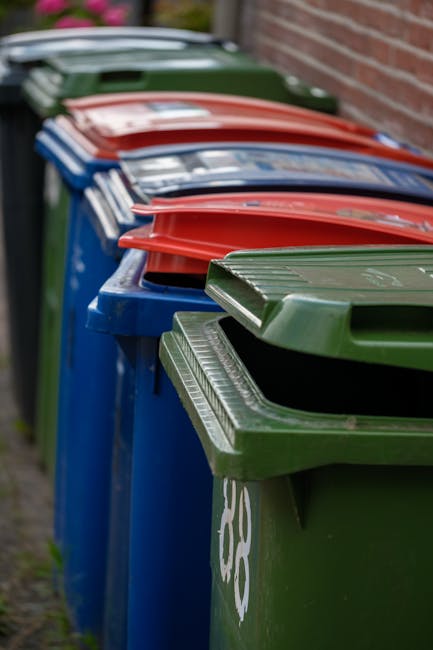
| Council garden waste collection | Clean, separated organic waste | Simple, familiar, often cost-conscious | May have limits on material type, volume, and presentation |
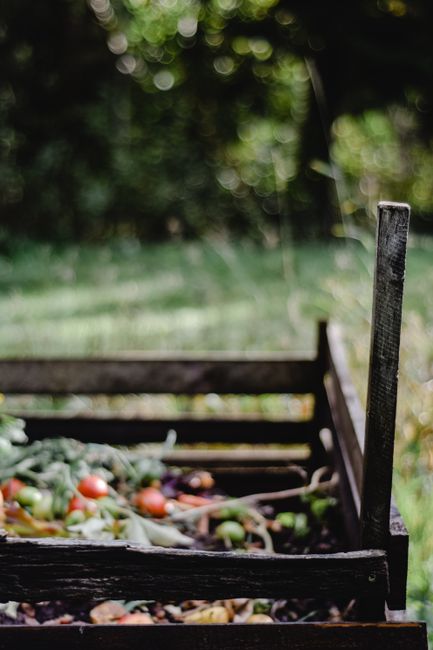
| Home composting | Leaves, grass, soft cuttings, kitchen-garden overlap | Low waste, useful for your own garden | Not suitable for everything; needs space and patience |
| Professional garden clearance | Large, bulky, seasonal, or mixed garden waste | Fast, convenient, handles bigger jobs | Usually more expensive than basic council disposal |
| Ongoing garden maintenance | Regular mowing, pruning, and tidy-up work | Keeps waste volumes smaller and more manageable | Requires routine scheduling |
The key is not choosing the "best" method in theory. It is choosing the one that fits the actual job in front of you. A small weekly lawn cut is one thing. Clearing an overgrown border after months of rain and growth is another entirely.
If your garden regularly produces more waste than your bin can comfortably handle, a recurring service may be more practical than repeated one-off fixes. For many homeowners, that is the moment where regular upkeep starts making more sense than occasional rescue.
Case Study or Real-World Example
Picture a typical Palmers Green rear garden after a busy spring weekend. The box hedge has been trimmed back, the lawn has been cut, and a few climbers have been cut down from a fence line. On paper, none of that sounds huge. But by the time the clippings are swept up, the small branch piles are bundled, and the loose leaves are gathered from the beds, there is far more waste than expected.
The first instinct is often to stack everything into one set of bags and hope for the best. That is where problems start. The better approach is to split the waste into categories: soft green cuttings, woody stems, and the bits that should not be included at all, like ties or broken plastic pots. The organic waste can then be dealt with through the appropriate route, while the non-organic bits are removed separately.
In this kind of real-world job, the difference is not dramatic. It is practical. The garden looks cleaner sooner, the waste is easier to manage, and there is less chance of a collection issue. The job ends with fewer surprises. Which, to be fair, is what everyone wants by the end of a Saturday afternoon.
If the same garden had been left for another month, the waste volume would likely have been much larger, and a garden clearance service might have been the smarter choice from the start. That is the lesson: timing matters. Small jobs stay small when you deal with them early.
Practical Checklist
Use this quick checklist before putting out garden waste or arranging disposal:
- Have I separated garden waste from general household rubbish?
- Have I removed plastic ties, labels, pots, and other contamination?
- Is the material clean, organic, and suitable for the collection method I am using?
- Have I cut bulky material down to a manageable size if needed?
- Is the container full but not overloaded?
- Do I know whether this is a routine collection or a bigger clearance job?
- Have I planned for wet weather, which can make waste much heavier?
- Is the waste stored safely and neatly until collection?
- Would regular maintenance reduce the amount I need to dispose of next time?
- Do I need a professional team for a larger or awkward job?
If you can tick most of those boxes, you are in good shape. If not, stop and sort before moving on. That pause saves effort later.
Conclusion
For Palmers Green gardeners, Enfield Council garden waste rules are less about paperwork and more about keeping everyday gardening smooth, tidy, and manageable. When you separate waste properly, watch the volume, and choose the right disposal method for the job, everything becomes easier. The garden stays nicer, the kerbside stays cleaner, and you avoid the annoying little setbacks that turn a simple task into a long one.
And honestly, that is usually the whole game. Not perfection. Just a garden that feels under control.
If your waste is building up faster than you can clear it, or if a seasonal prune has got out of hand, it may be time to combine council-friendly sorting with professional help. You can explore the relevant services, compare options, and decide what fits your garden best. The good news is that you do not need to tackle it all at once.
Get a free quote today and see how much you can save.
Frequently Asked Questions
What counts as garden waste under Enfield Council garden waste rules for Palmers Green gardeners?
Generally, garden waste means clean organic material such as grass cuttings, leaves, weeds, small branches, hedge trimmings, and similar plant matter. Anything mixed with household rubbish, plastic, soil-heavy debris, or treated timber should be treated separately.
Can I put soil in my garden waste bin?
Usually, heavy soil is not treated the same way as soft green waste. Even a little soil can be accepted differently from council to council, so it is best not to assume. If you have a lot of soil from a border dig-out or landscaping job, a separate disposal route is often needed.
Do I need to bag garden waste before collection?
That depends on the collection method and the council's current instructions. In many cases, neat and secure presentation is more important than the exact bag type. The safest approach is to keep everything contained, easy to move, and free from contamination.
What happens if my garden waste is mixed with rubbish?
Mixed waste may be rejected or left behind. That can delay the clean-up and create extra sorting work. It is usually far easier to separate it properly at the start than to fix it later.
Are hedge trimmings and small branches accepted the same way as grass cuttings?
Not always. Soft clippings are usually easier to handle than woody material, and some collections have limits on branch size or thickness. If you have a lot of woody waste, it may be better handled through a clearance service.
When should I use a garden clearance service instead of council collection?
Use a clearance service when the waste is bulky, time-sensitive, mixed, awkward to move, or simply too much for a standard bin or collection arrangement. It is often the better option after big pruning jobs, overgrown tidy-ups, or landscaping changes.
Can I compost garden waste at home instead?
Yes, for the right material. Leaves, grass, and soft plant cuttings are often suitable for composting, provided you have space and manage the pile properly. It will not suit every type of waste, though, especially woody material or anything contaminated.
How often should I arrange garden waste removal?
That depends on how quickly your garden grows and how often you maintain it. Small gardens may only need occasional disposal, while larger or faster-growing spaces often benefit from regular upkeep to stop waste building up.
Is it better to do garden waste removal after mowing or after pruning?
Often, it is smart to do both as part of the same tidy-up window. That way the waste is collected in one go rather than spread across several mini jobs. It saves time, and the garden looks finished sooner.
What should I do with thorny or sharp plant cuttings?
Handle them carefully, wear gloves, and bundle them so they do not puncture bags or injure anyone during lifting. Thorny waste can be surprisingly awkward, especially when it is damp and hidden in a larger pile.
Can regular garden maintenance reduce waste problems?
Absolutely. Routine maintenance usually keeps waste smaller, lighter, and easier to manage. That is one reason many homeowners combine disposal planning with ongoing care such as garden maintenance or services overview planning.
How do I know if my garden waste is compliant?
Ask yourself three things: is it organic, is it clean, and is it presented in the way the collection expects? If the answer to any of those is no, stop and sort it. When in doubt, follow the current council guidance and keep contaminated material out of the load.